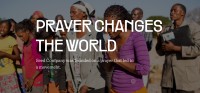
Shine! – 2BC 24HRS Prayers – Tuesday 14th April 2026
By Tom Victor
Shine! 24 Hours – Raising Up 2BC Champions
Tuesday 14th April 2026 | Praying with and for children and youth across Ethiopia!
“Rise, shine, for your light has come, and the glory of the Lord rises upon you.” (Isaiah 60:1)
Shine! is more than a 24-hour prayer event. At its heart, Shine! is about children and young people becoming 2BC Champions — learning to hear the voice of their Heavenly Father, discovering who they are in Christ, and confidently sharing God’s love with their friends and families.
This focus is shaping everything we do through the 2BC movement.
See the March Shine! Prayer Guides HERE
1️⃣ Shine! Begins with Children Becoming 2BC Champions
 The first purpose of Shine! is discipleship and identity. Through child-led worship, prayer, creativity and Scripture, children are encouraged to:
- Listen to God’s voice
- Grow secure in their identity as God’s beloved children
- Step out in simple, faith-filled ways to share Jesus’ love
Shine! creates a safe, joyful space where children lead, families participate, and faith becomes something lived — not just talked about.
2️⃣ Praying for Children in the World’s Most Populous Nations
Each Shine! event also carries a clear global prayer focus.
On Tuesday 14th April, we will be praying especially for children and young people across Ethiopia.
Together, children around the world will pray that Ethiopian children:
- Encounter Jesus personally
- Are surrounded by godly families and communities
- Grow up knowing hope, purpose and God’s love
This is children praying for children — heart to heart, nation to nation.
3️⃣ Praying for the Light of the World movie to Reach Families Everywhere
 Finally, we will continue to pray for the global impact of the beautifully hand-drawn animated film Light of the World, created to share the Gospel of Jesus with children and families worldwide.
The film is being translated into scores of languages and released across many nations, with a clear Gospel invitation and free discipleship resources. It is a powerful tool to help children grow as 2BC Champions — knowing Jesus and making Him known.
Join the Shine! Zoom Call!
Shine! runs for 24 hours, with participation of children and young people across multiple nations, including:
- Online prayer hours
- Offline family, church and small-group gatherings
- Free Shine! resources including Prayer Guides, B.L.E.S.S. cards and worship songs
You can join for an hour, or host your own gathering at home or church.
If you are a child… love children… or were once a child — Shine! is for you.
See the extremely encouraging summary of recent feedback from Shine! Participants HERE See the March Shine! Prayer Guides HERE
Find out more, access resources, and sign up:
www.2bc.world/shine
2BC — Every Child. Everywhere. On Mission. With God.
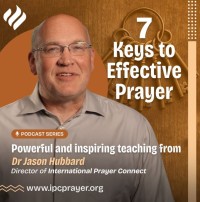
‘7 Keys to Effective Prayer’ Part 2: ‘Abiding in Christ’
This week, we have released part 2 of the 7 Keys to Effective Prayer – entitled ‘Abiding in Christ’. Prayer is at the heart of the Christian life — yet many believers quietly wonder if they are really praying effectively. Why do some prayers seem to shape history, while others feel unfocused or weary? How do we persevere in prayer when answers are delayed, opposition is strong, or the world feels overwhelming?
The 7 Keys to Effective Prayer podcast series is an invitation to rediscover prayer as God intended it: rooted in Scripture, sustained by faith, and aligned with His purposes for the nations.
Hosted by Dr. Jason Hubbard, Director of International Prayer Connect, this seven-part teaching series draws on biblical foundations, historic prayer movements, and decades of experience mobilising prayer around the world. Jason brings clarity, depth, and pastoral warmth as he explores seven essential principles that help believers pray with confidence, persistence, and purpose.
These teachings are inspired in part by the remarkable legacy of the Moravian community at Herrnhut, Germany, led by Count Zinzendorf — a movement where believers committed to continuous, day-and-night prayer for over one hundred years, sparking extraordinary missionary fruit across the nations. Their story reminds us that when prayer is anchored in God’s heart, sustained over time, and shared by a community, it becomes a powerful force for spiritual transformation.
Each episode focuses on one key, offering biblical insight and practical encouragement for personal and corporate prayer:
The Seven Keys
- Worship Based Prayer
- Abiding in Christ
- Asking in Jesus’ Name
- Praying God’s Word
- Breakthrough Prayer
- Desperate Prayer
- Unceasing Prayer
The 7 Keys to Effective Prayer podcast launched on 1 March 2026, with new episodes released weekly. Listeners are encouraged not only to listen, but to reflect, apply, and allow the Holy Spirit to deepen their own prayer lives.
We invite you to discover the life-changing power of 'Abiding in Christ'. This second session explores prayer as deep relationship, not striving — drawing near to Jesus, receiving His love, and bearing lasting fruit through daily fellowship with Him.
Our prayer is simple: that through this series, believers around the world will be freshly equipped to pray — faithfully, biblically, and expectantly — and to see God move in ways that bring glory to Jesus and advance His Kingdom.

Global Family 24-7 Prayer Room
Join the Global Family 24-7 Prayer Room: A Worldwide Cry for Revival and Harvest
What if your prayer life could join with believers from every continent, every denomination, and every generation in one unceasing, worship-saturated chorus lifted up before the throne of God?
That’s the heartbeat behind the Global Family 24-7 Prayer Room - an online, around-the-clock, around-the-globe prayer movement inviting Christians everywhere to pray, worship, and intercede for the world.
Launched in January 2021, this virtual prayer room has been sustained by a network of committed prayer teams covering all 168 hours of the week — each hour led by intercessors praying in many languages and time zones. It’s a living expression of Jesus’ command to pray earnestly for the harvest, knowing that the fields are ripe but the labourers are few. ([Global Family Online 24/7 Prayer Room][2])
At its core, the Global Family Prayer Room is more than just a schedule of prayer times: it’s a tangible experience of the global Church becoming the global family. When you enter the Zoom room, you’ll find brothers and sisters worshipping and petitioning God together — sometimes in joyful praise, sometimes in deep intercession, always anchored in Scripture and the person of Jesus Christ.
This ministry is a collaboration of international ministries and volunteers under the umbrella of International Prayer Connect. The vision is simple yet profound: to see God glorified, nations transformed, and labourers sent into every harvest field as believers unite in continuous prayer.
You can participate in a way that suits your season and calling. Drop in to pray or worship, or go deeper by signing up with a team to lead one hour each week consistently. Whether it’s five minutes or five hours, your prayers will join a living, global chorus lifting up the name of Jesus before heaven and earth.
Don’t miss this opportunity to be part of something eternal — an unbroken prayer movement that reflects the heart of God for His Church and the world.

7 Days – Beholding the Cross – 30th March – 5th April 2026
Thank you to everyone who participated in the first 2026 Jericho Walls Week of Prayer as we boldly proclaimed the name of Jesus over our communities. Our theme was: ‘Transforming our Communities’.
We welcomed new participants from Australia, Mexico, Italy and the Dominican Republic! In total, there were 120 prayer groups from 30 countries that participated.
 The Lord heard our prayers and He will surely answer us.
Week 2: ‘Beholding the Cross’ – 30th March – 5th April 2026
During our second special week of 24-7 prayer, 30 March – 5 April, we will focus on celebrating the completed work of Jesus on the Cross.
I encourage you not to miss this very special time of prayer.
May it be a time of deep fellowship with Him and remembrance of His sacrifice once for all.
Find the dates for the rest of the 7 Weeks 2026 and be sure to register your group on the list here:
Let us continue steadfastly in 24-7 prayer!
For encouragement, watch our Awaken the Watchmen series and share it with your prayer groups.
Yours in Christ,
Daniël Brink
IPC 24/7 Worship-Based Prayer Leader
Director – Jericho Walls IPN
#7DaysOnTheWall